Damen Offshore Energy Support Vessels: Cross-sector versatility

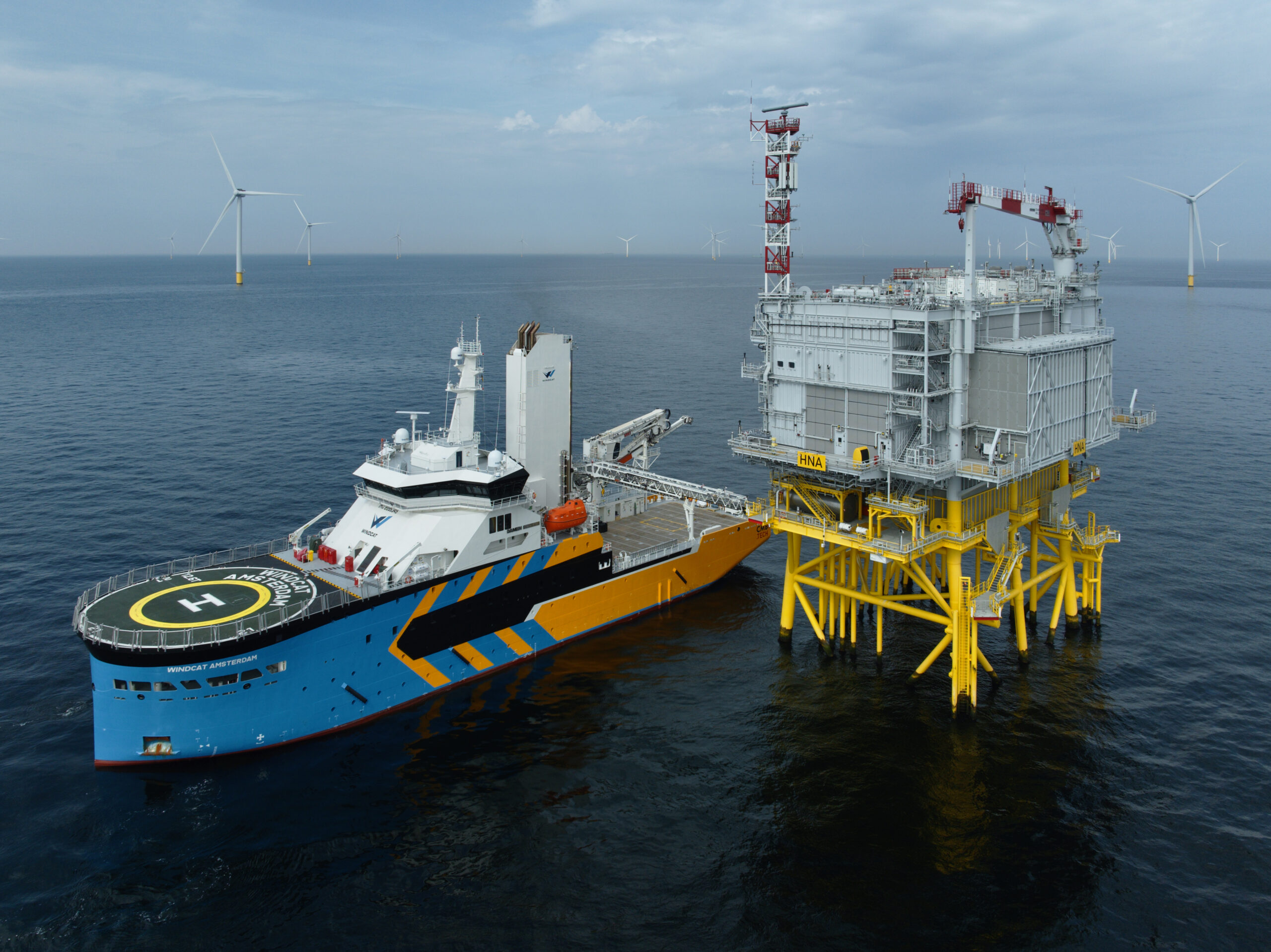

When Damen was developing its Commissioning Service Operations Vessel (CSOV) series, it aimed for versatility; a vessel that was at home in all sectors of the offshore energy industry, whether renewable or non-renewable, anywhere in the world.
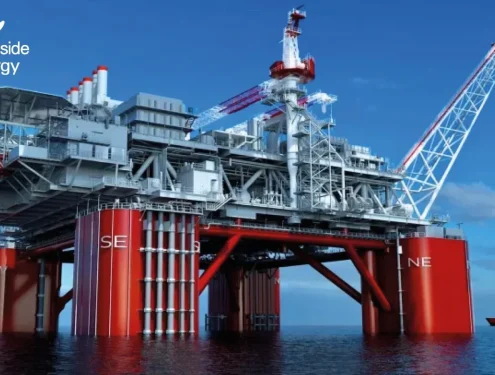
Whichever sector the vessel is operating in, its scope is broadly the same – supporting construction, commissioning, planned and unplanned maintenance of either a wind farm or an oil and gas platform. For example, the vessel can be positioned in close proximity to an FPSO, enabling continuous personnel access.
People at the core
While cross sector capabilities may sound like a tall order, the basic functionality of a vessel supporting commissioning and maintenance operations is the same, says Damen’s Mark Couwenberg.
“What all sectors of the offshore energy industry have in common is people. Whether it’s supporting operations at a wind farm, or an oil platform, such a vessel needs to be able to transport personnel, and provide them with a safe, comfortable place to eat, relax, and sleep in between shifts. Those requirements are at the heart of our CSOV/OESV designs.”
Home away from home
As you might expect from platforms with people at the core, Damen’s Offshore Energy Support Vessels offer a high standard of accommodation – aimed at ensuring a comfortable stay offshore for up to 28 days at a time.
A lot of effort has gone into designing accommodation areas with high-quality materials, with a view to minimising both homesickness and seasickness. The accommodation also features well-thought-out configurations, enabling personnel to easily navigate the vessel.
Scalable accommodation
“The living areas offer a good demonstration of the flexible approach we needed to take to ensuring the vessels’ suitability for all offshore sectors. Every operation is unique, of course, but typically, with offshore wind, the focus will be on creating an efficient workflow to process as many turbines as possible.
“For the non-renewable sectors, there is frequently a higher demand for personnel. That’s why we’ve created a vessel that can be constructed to accommodate varying numbers of people. With the largest vessel in the series, our OESV 10020, we can feature accommodation for up to 190 persons,” says Mark.
Personnel board and disembark from the vessel via a motion-compensated gangway that is able to form a fixed connection to offshore structures.
Making room
Other features typically required for the non-renewable sectors include increased deck space and a larger crane. Once again, Damen has taken this into consideration in the designs – particularly of the OESV, with its 150-ton crane and an aft deck 750m 2 .
“We have designed the deck to be as open as possible to the sides and the aft, with the result that it is ideal for installing an A-frame and for transporting and launching an ROV, for example. The deck can also be used for cable repair operations.”
In addition to the large, open deck space, the vessel also boasts an integrated helicopter deck to the fore.
Station keeping
An essential feature for any vessel operating offshore is safety. This is an even more pressing concern in remote locations. To this end, the vessels are equipped with a highly capable DP system, based on Damen’s DPX-DRIVE ™, further supported with additional layers of redundancy.
Future-proof solutions
The vessels are also designed with a focus on efficiency, lowering both emissions and fuel consumption where possible. For example, the OESV is available with an approximately 4MW/hr battery package. The batteries serve as spinning reserve so that fewer engines have to be online, resulting in better engine loading with lower fuel consumption and maintenance. In addition the batteries allow the vessel to operate fully-electrically while in port when requested. The vessel is also fully prepared for further expansion of the battery capacity, and future offshore charging, so that full-electric operations are a real option.