Building Future-Ready Talent: The Strategic Role of Corporate Universities in Mexico


By: Daniel Martinez and Jony Borges
In today’s rapidly evolving business environment, organizations can no longer rely solely on traditional training models to remain competitive. Developing future-ready talent requires a more strategic, structured, and continuous approach—one that aligns learning with business objectives and long-term growth.
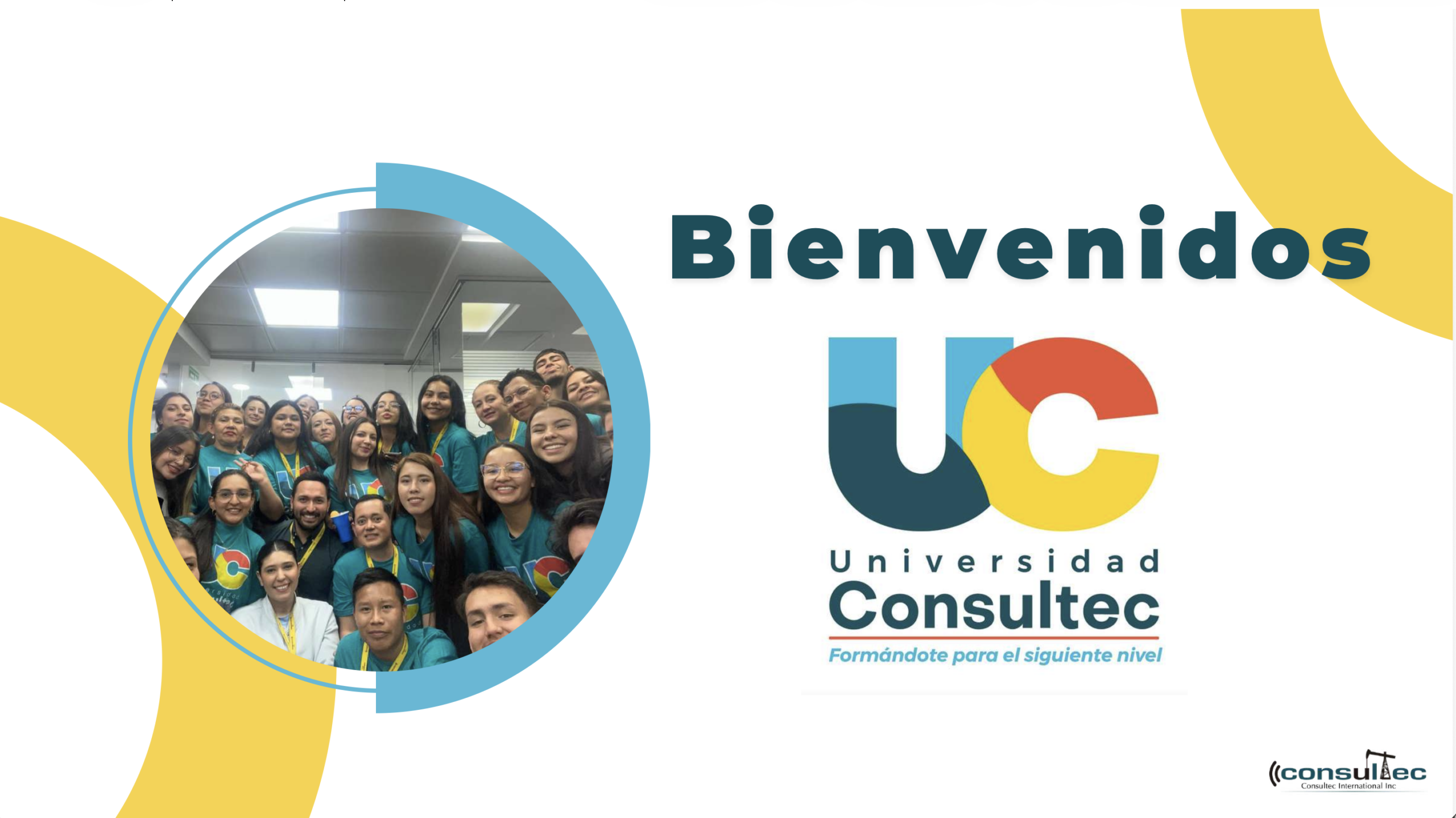
At Consultec, the creation of its Corporate University reflects this shift. Rather than viewing training as a support function, it is positioned as a core driver of organizational transformation. Corporate universities are not new globally, but in Mexico, they are becoming increasingly relevant as companies face talent gaps, digital transformation challenges, and the need to retain highly skilled professionals.
The concept behind a corporate university goes beyond offering courses. It is about building a learning ecosystem. This includes structured learning paths, competency-based development, and the integration of technology to enable scalable and flexible education. According to global trends, organizations that invest in continuous learning outperform their peers in productivity and innovation. In this context, corporate universities act as engines of both individual and organizational performance.
One of the key differentiators of Consultec’s approach is its focus on aligning learning with real business needs. Programs are designed not only to transfer knowledge but to solve practical challenges within the organization. This ensures that learning is immediately applicable and measurable. Additionally, by incorporating digital platforms and hybrid learning models, the university enables employees to access content anytime and anywhere, fostering a culture of self-directed learning.
Another critical aspect is talent retention. In a competitive labor market, professionals are increasingly looking for opportunities to grow and develop. A corporate university sends a strong message: the organization is committed to its people. This not only enhances employee engagement but also strengthens the employer brand, making it easier to attract top talent.
Moreover, corporate universities play a strategic role in leadership development. By identifying high-potential employees and providing them with tailored development paths, organizations can build a strong pipeline of future leaders. This is particularly important in times of uncertainty, where agile and well-prepared leadership can make the difference between stagnation and growth.
Of course, implementing a corporate university is not without challenges. It requires investment, clear governance, and alignment across different areas of the organization. However, the long-term benefits—improved performance, stronger culture, and sustained competitiveness—far outweigh the initial effort.
In my view, the rise of corporate universities in Mexico represents a significant opportunity for organizations to rethink how they develop talent. It is no longer about training for today’s needs, but about preparing people for the challenges of tomorrow.
As companies continue to navigate an increasingly complex business landscape, those that invest in structured, strategic learning will be better positioned to lead, innovate, and grow.